Breaking Down Electric Motor Repair Costs for HVAC Systems
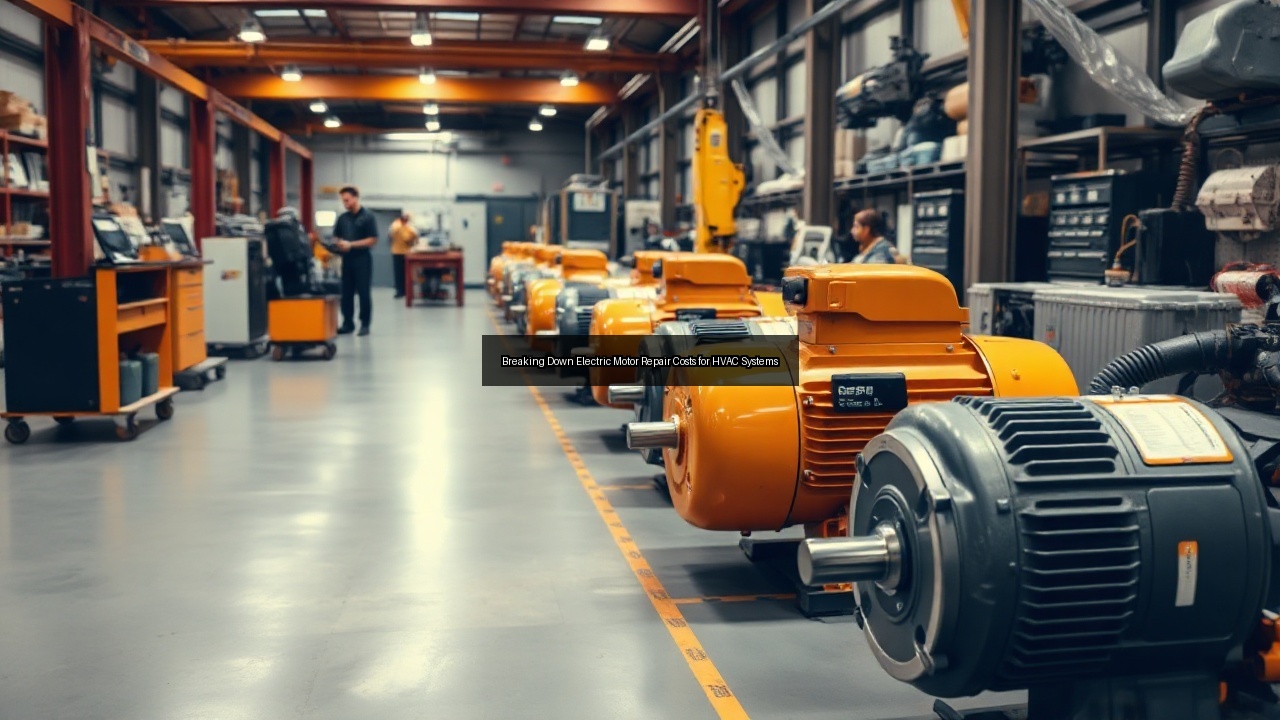
Understanding Electric Motor Repair Costs
Factors Influencing Repair Costs
Repair costs for electric motors in HVAC systems vary significantly based on several factors. The type of motor plays a critical role; for instance, larger motors typically incur higher repair costs due to their complexity and the increased labor involved. The extent of the damage also influences the final bill. Minor issues such as simple wiring problems cost less to fix than severe failures requiring complete rotor or stator replacements. The age of the motor is another essential factor. Older motors may require specialized parts that are harder to find, driving up costs. Furthermore, the location of the service can impact pricing; urban areas often have higher labor rates compared to rural settings. Finally, the urgency of the repair affects costs. Emergency repairs typically command a premium due to the immediate attention required.
Typical Price Range for Electric Motor Repairs
The price range for electric motor repairs can vary widely. On average, homeowners and businesses can expect to pay between $150 and $600 for standard repairs. This price range encompasses various common issues, such as replacing bearings, fixing electrical connections, or addressing minor insulation damage. More severe problems, such as rotor or stator replacements, can elevate costs significantly, often reaching $1,000 or more, depending on the motor's size and specifications. For specialized motors, especially those used in industrial applications, repair costs can escalate beyond $2,000. It's crucial to obtain multiple quotes from repair services to get a comprehensive view of potential costs. Doing so helps in budgeting effectively and ensures that repair decisions align with financial constraints.
Cost Breakdown: Parts and Labor
Understanding the cost breakdown of electric motor repairs reveals the significant roles that both parts and labor play in the overall expense. Typically, parts account for about 40% to 60% of the total repair cost. Common parts needing replacement include bearings, seals, and electrical components like capacitors and insulation. For instance, if a stator needs to be rewound, this process involves labor-intensive work, specialized materials, and often, VPI (Vacuum Pressure Impregnation) varnish to ensure insulation integrity. Labor usually makes up the remaining 40% to 60% of costs, reflecting the technician's time and expertise required for the repair. Labor costs can vary based on the technician’s experience and the regional market rates. Therefore, it’s beneficial to inquire about the specifics of both parts and labor when considering electric motor repair costs.
Common Issues Leading to Motor Failures
Stator and Rotor Problems
Stator and rotor issues frequently lead to electric motor failures in HVAC systems. The stator creates the magnetic field necessary for motor operation, while the rotor turns within that field to generate motion. Damage to either component can disrupt the entire system's functionality. Common problems include short circuits, which often stem from insulation breakdown, and misalignment, which can cause excessive wear and tear. Additionally, overheating due to excessive voltage or poor ventilation can lead to stator winding failure. Regular inspections can mitigate these risks, allowing for early identification of issues that could escalate into more significant repairs. Addressing stator and rotor problems promptly not only saves on repair costs but also extends the overall lifespan of the motor.
Contamination and Insulation Issues
Contamination and insulation degradation present significant challenges for electric motors. Dust, dirt, and moisture can infiltrate motors, leading to corrosion and other forms of damage. Contaminants can compromise the motor's efficiency, causing it to work harder and increasing energy consumption. Insulation failure, often a result of age or environmental factors, can lead to short circuits, posing risks to both the motor and the HVAC system. Regular maintenance practices, such as cleaning and inspections, help in identifying contamination early. Additionally, using high-quality insulation materials and ensuring proper sealing can prevent these issues from arising. Addressing contamination and insulation problems proactively contributes to better energy efficiency and reduces the likelihood of costly repairs.
VFD and Efficiency Concerns
Variable Frequency Drives (VFDs) play an essential role in managing the efficiency of electric motors. They adjust the motor speed based on the load requirements, optimizing energy consumption. However, issues with VFDs can lead to motor failures if not addressed. Incorrect settings or faulty components can cause excessive heating and premature wear on the motor. Regularly monitoring and calibrating VFDs ensures that motors operate within their intended parameters, enhancing overall efficiency. Inadequate attention to VFD settings not only leads to potential failures but also drives up energy costs. Investing in VFD maintenance contributes significantly to cost management and motor longevity, making it an essential aspect of HVAC system management.
The Role of Maintenance in Cost Management
Importance of Predictive Maintenance
Predictive maintenance stands out as a crucial strategy for managing electric motor repair costs. This approach involves monitoring motor performance and health to identify potential issues before they lead to failures. By utilizing data analytics and historical performance metrics, technicians can predict when maintenance or repairs will be required. Implementing predictive maintenance reduces unexpected breakdowns and the associated costs, allowing for better budgeting and resource allocation. Regularly scheduled maintenance checks, combined with predictive analytics, ensure that HVAC systems operate efficiently and effectively. Organizations that prioritize predictive maintenance often see a decrease in downtime and repair costs, ultimately improving their bottom line.
Using Infrared Sensors for Early Detection
Infrared sensors play a pivotal role in early detection of motor issues, providing a non-invasive method to monitor temperature fluctuations in electric motors. By regularly scanning motors, technicians can identify overheating components indicative of potential failures. Elevated temperature readings often signal insulation breakdown or mechanical wear, enabling proactive intervention. This early detection reduces the likelihood of catastrophic failures, thereby minimizing repair costs. Infrared technology enhances predictive maintenance efforts by providing real-time data, allowing for timely corrective actions. Investing in infrared sensor technology not only promotes energy efficiency but also significantly contributes to overall cost savings in motor maintenance and repair.
Budgeting for Regular Maintenance
Budgeting for regular maintenance is essential for effective cost management in electric motor operations. Setting aside funds for routine inspections, cleaning, and minor repairs helps prevent larger, unexpected expenses. A well-structured maintenance budget includes costs for labor, parts, and diagnostic tools, ensuring that resources are available when needed. Prioritizing maintenance activities based on the motor’s usage and criticality to operations allows for smarter financial planning. Additionally, organizations can benefit from creating maintenance contracts with service providers, which often include discounted rates for regular services. By cultivating a proactive maintenance culture, businesses can extend the lifespan of their electric motors while managing repair costs effectively.
Warranty and Repair Services
Evaluating Warranty Options for Electric Motors
Evaluating warranty options for electric motors is crucial when considering repair costs. Warranties typically cover parts and sometimes labor, depending on the manufacturer and the specific terms. Understanding what is included in the warranty can significantly affect overall repair expenses. Some warranties may cover failures due to manufacturing defects but exclude issues arising from improper use or external factors. Before purchasing a motor, reviewing warranty specifics ensures that you choose a product that provides adequate protection against potential failures. Additionally, some manufacturers offer extended warranty options, which can be a worthwhile investment for high-use applications. This financial safety net can greatly reduce the burden of unexpected repair costs.
Choosing the Right Repair Service
Selecting the right repair service is vital for managing electric motor repair costs effectively. Look for companies with solid reputations and experience in HVAC motor repairs. Reading customer reviews, checking certifications, and asking for recommendations can help identify reliable service providers. Additionally, inquire about service guarantees and warranties on repairs, which can provide added peace of mind. A reputable repair service should offer transparent pricing and detailed estimates, allowing you to understand the scope of work and associated costs upfront. Building a good relationship with a trustworthy repair service can lead to better maintenance practices and lower long-term repair expenses.
Impact of Warranty on Repair Costs
The impact of warranty on repair costs cannot be overstated. Warranties serve as a financial cushion against unexpected failures, often covering significant repair expenses. If a motor fails within the warranty period, the manufacturer typically covers parts and sometimes labor costs, reducing the financial strain on the owner. However, it’s crucial to adhere to warranty conditions, such as regular maintenance and proper usage, to avoid voiding the coverage. Understanding warranty limitations and exclusions is essential for effective budgeting and cost management. When considering electric motor repair costs, factor in the potential savings from warranty coverage to make more informed decisions regarding repair and maintenance investments.
See Also
- What Every Facility Manager Should Know About Motor Repair Costs
- The Role of Warranty Coverage in Electric Motor Repair Pricing
- Choosing the Right Repair Service for Your Electric Motor Budget
- The Impact of Warranty on Your Electric Motor Repair Budget
- Understanding the Hidden Costs of Electric Motor Repairs