The Science Behind Air Ducts and Efficient HVAC Systems
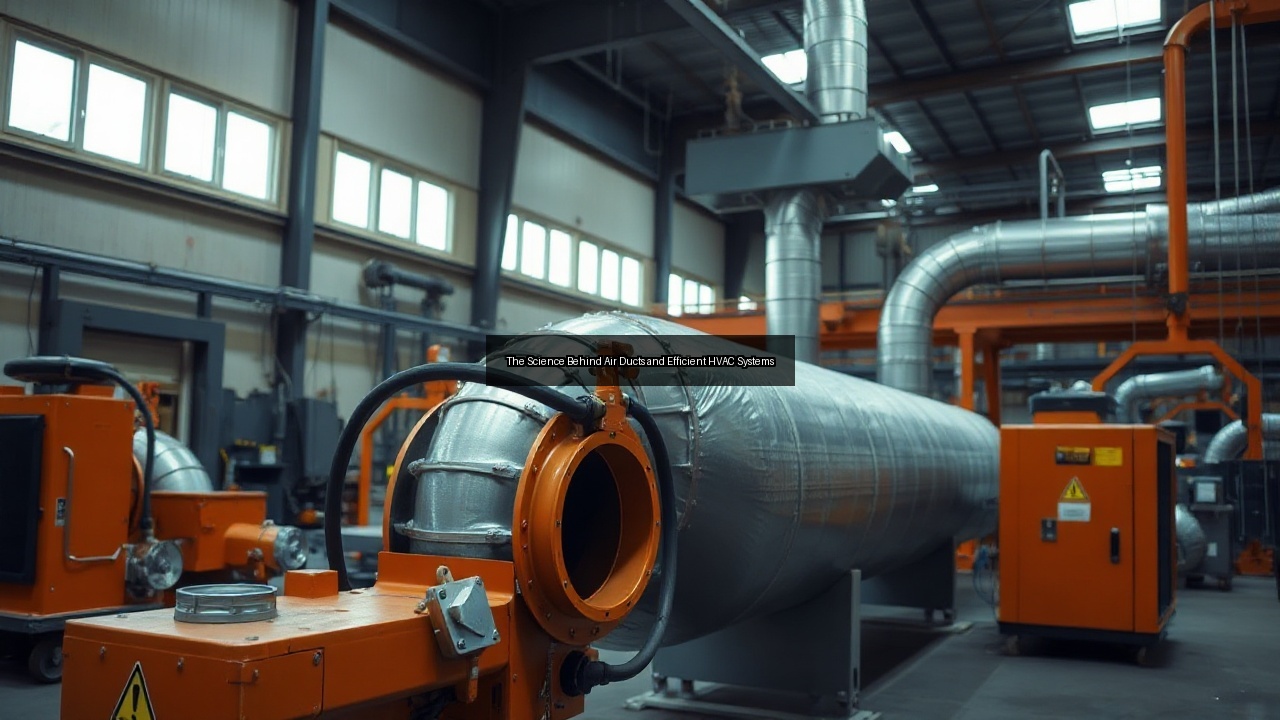
Understanding Air Ducts and Their Role in HVAC Systems
What Are Air Ducts?
Air ducts serve as the vital pathways for the distribution of heated or cooled air throughout a building. These conduits ensure that every room receives the necessary airflow for comfort and efficiency. Typically constructed from materials like sheet metal, fiberglass, or flexible plastic, air ducts come in various shapes and sizes to fit different spaces and requirements. Proper installation and maintenance of these ducts are crucial; any leaks or blockages can drastically affect HVAC performance, leading to higher energy bills and discomfort.
In addition to their primary function of air distribution, air ducts also play a role in the overall air quality within a building. They can harbor dust, allergens, and pollutants, making regular cleaning and inspection vital to maintain a healthy indoor environment. Furthermore, modern air duct systems may include features such as dampers and filters, enhancing control over airflow and improving air quality.
The Importance of Ductwork in HVAC Systems
Ductwork represents the backbone of HVAC systems, facilitating the movement of airflow from the heating or cooling unit to the occupied spaces. The effectiveness of an HVAC system heavily relies on the design and integrity of its ductwork. Well-designed duct systems promote efficient airflow, reduce energy consumption, and ensure uniform temperature distribution. Conversely, poorly designed or damaged ducts can result in significant energy losses, uneven heating or cooling, and increased wear on the HVAC equipment. Regular inspection and maintenance of duct systems help preserve their functionality and extend the lifespan of HVAC components.
Moreover, the layout of ductwork can significantly impact the system's performance. Strategic placement of ducts ensures that air is delivered efficiently to all areas of the building, reducing the need for excess energy consumption to achieve desired temperatures. Additionally, innovative duct designs, such as those using variable air volume systems, can further enhance energy efficiency by adjusting airflow based on real-time needs.
Types of Ducts Used in HVAC Systems
Several types of ducts are utilized in HVAC systems, each with unique characteristics and applications. The most common types include rigid ductwork, typically made from sheet metal, which offers durability and reliability. Flexible ducts, made from plastic or metal, provide ease of installation and adaptability in tight spaces. Additionally, insulated ducts are designed to minimize heat loss or gain, enhancing energy efficiency. Understanding the different types of ducts helps in selecting the right materials for specific environments, ensuring optimal performance and comfort in heating and cooling systems.
Other types of ducts include semi-rigid ducts, which combine the benefits of rigid and flexible designs, providing strength while still allowing for some flexibility during installation. Each type of duct has its own set of pros and duct fabrication services cons, and the choice often depends on factors such as budget, installation space, and the specific requirements of the HVAC system.
The Ductwork Fabrication Process
Materials Used in Duct Fabrication
The ductwork fabrication process involves various materials, each chosen for specific benefits. Sheet metal, often galvanized steel or aluminum, is popular for its durability and strength. This material withstands high temperatures and resists corrosion, making it ideal for long-lasting ducts. Fiberglass ductwork provides excellent insulation, reducing energy loss and minimizing noise, while flexible plastic ducts offer lightweight and easy installation. Each material has its unique advantages and applications, which HVAC professionals consider when designing and fabricating duct systems to meet specific project needs.
Additionally, newer materials such as high-density polyethylene (HDPE) and composite materials are increasingly being used in duct fabrication due to their lightweight nature and resistance to corrosion and mold growth. These materials can be particularly advantageous in specific environments, such as coastal areas where salt air can accelerate deterioration of traditional materials.
Steps in the Ductwork Fabrication Process
Fabricating air ducts involves a systematic process to ensure precision and quality. Initially, designers create a layout based on the building’s specifications and HVAC requirements. Once the design is finalized, selection of materials occurs, followed by cutting and shaping the metal or other materials into the required dimensions. Next, fabricators assemble the ducts, sealing seams to prevent leaks that could hinder airflow. The fabrication process also includes testing for integrity and performance. Finally, ducts undergo finishing procedures, such as insulation application and surface treatments, to enhance durability and efficiency before being installed in the HVAC system.
Moreover, the advancement of technology has introduced automated fabrication systems that can improve precision and reduce lead times. CNC (Computer Numerical Control) machines are now commonly used to cut and shape duct materials with remarkable accuracy, thus minimizing waste and ensuring that each piece fits perfectly during installation.
Quality Control in Duct Manufacturing
Quality control plays a crucial role in ductwork fabrication, ensuring that each component meets industry standards and client specifications. Manufacturers implement rigorous testing protocols, including pressure tests and airflow simulations, to identify potential weaknesses or inefficiencies in the duct systems. Regular inspections throughout the fabrication process help maintain high standards, preventing defects that could compromise performance. Additionally, adherence to established guidelines and codes ensures that the final product is safe, effective, and compliant with regulations, ultimately benefiting the overall HVAC installation.
Furthermore, certifications from recognized organizations, such as the Sheet Metal and Air Conditioning Contractors' National Association (SMACNA) and the American National Standards Institute (ANSI), can provide assurance of quality. These certifications often require manufacturers to adhere to strict guidelines, enhancing the reputation and reliability of their products in the market.
Optimizing Airflow Through Efficient Duct Systems
Factors Affecting Airflow in Ducts
Several factors influence airflow within duct systems, impacting the overall efficiency of HVAC operations. Duct size and shape play a pivotal role; improperly sized ducts can restrict airflow, leading to pressure imbalances and inefficient temperature regulation. The length of ducts also matters; longer ducts often experience greater resistance, resulting in reduced airflow. Additionally, bends, turns, and obstructions within the duct can create turbulence, further hampering efficient air distribution. Understanding these factors allows HVAC professionals to design and modify duct systems for optimal airflow, improving comfort and energy efficiency.
Other considerations include the type of air filters used within the system. High-efficiency particulate air (HEPA) filters, while duct fabrication services excellent for improving air quality, can create additional resistance in the airflow if not matched properly with the duct system. Regular maintenance and filter changes are essential to ensure that airflow remains unobstructed and efficient.
Calculating Duct Length and Sizing for Efficiency
Calculating duct length and sizing involves using specific formulas and tools, such as duct calculators, to determine the most efficient dimensions for airflow. Accurate measurements are essential to avoid issues related to inadequate heating or cooling. HVAC professionals consider factors such as the total square footage of the space, the type of heating or cooling system in use, and the desired temperature variations throughout the building. Proper sizing of ducts ensures that air moves efficiently, minimizes energy waste, and enhances overall system performance. Adhering to established guidelines and calculations helps maintain consistency and reliability in HVAC duct systems.
Additionally, employing software tools for modeling airflow can provide insights into how different duct sizes and layouts will perform under various conditions. This dynamic approach allows for more informed decision-making and can lead to more efficient designs that better meet the needs of the occupants.
Common Issues in Duct Systems and Their Solutions
Duct systems often encounter several common issues that can affect performance. Leaks represent a significant concern, allowing conditioned air to escape and increasing energy costs. Regular inspections can identify and seal leaks promptly. Blockages from dust, debris, or even animal nests can restrict airflow, leading to uneven temperature distribution. Routine cleaning and maintenance can mitigate these problems. Additionally, poor insulation can result in temperature fluctuations. Retrofitting ducts with appropriate insulation materials enhances efficiency. Addressing these common issues ensures that HVAC duct systems operate optimally, providing consistent comfort and energy savings.
Moreover, outdated or damaged duct systems may also lead to issues such as noise and vibration, which can disrupt comfort levels in a building. Upgrading to modern duct designs that include sound-attenuating features can help alleviate these concerns. Ensuring that ducts are sealed and insulated properly can also prevent condensation issues, which might lead to mold growth and other health hazards.